Quick Answer
Foreigners cannot own land in Thailand, but they can legally control a villa through a 30-year renewable leasehold or by structuring ownership via a Thai Limited Company with majority Thai shareholders. Condominiums are the only property type foreigners can own freehold, up to 49% of a building's total units. UK retirees buying villas must engage a specialist Thai property lawyer and understand the legal limitations before committing any funds.
I get this question at least three times a week from UK retirees: "Can I actually buy a villa in Thailand, or is that just a pipe dream?" The short answer? You can absolutely live in a stunning private villa in Phuket, Koh Samui, or Hua Hin — but the word "buy" needs a big asterisk next to it. Thailand's property laws weren't designed with foreign retirees in mind, and navigating them without proper guidance is how people lose serious money. I've watched it happen. I've also watched dozens of British retirees do it brilliantly and wake up every morning to palm trees and a private pool. This guide explains how they did it.
What This Guide Covers
🌴 Wondering If Thailand Is Right for You?
Take our 2-minute quiz and get matched with trusted Thailand property specialists who work with UK retirees every day.
The Fundamental Rule: Foreigners Cannot Own Land
Under the Thai Land Code Act (1954), foreigners are categorically prohibited from owning land in Thailand. There are no exceptions for retirees, no special programmes for wealthy investors (despite occasional rumours), and no amount of money changes this. It's one of the clearest property laws in Southeast Asia.
But here's the crucial distinction that makes villa life possible: you can own the building itself. The physical structure — walls, roof, pool, kitchen — can be registered in a foreigner's name. It's the plot of land underneath that you cannot hold title to. This separation of land and structure is the foundation of every legal villa arrangement in Thailand.
Richard, a retired accountant from Surrey, put it perfectly when he moved to Hua Hin in 2024:"I own everything above ground level — and I lease the bit below it. It sounds odd, but once you understand the system, it actually works rather well."
Watch Out For This
Anyone claiming there's a "loophole" or "easy way" for foreigners to own Thai land freehold is either uninformed or selling something risky. The Thai government has been increasing enforcement against illegal foreign land ownership since 2023. The Department of Special Investigation (DSI) actively investigates nominee arrangements — more on that below.
Leasehold: The Most Common Route for Retirees
The 30-year leasehold is the bread-and-butter of foreign villa ownership in Thailand. It's clean, it's legal, and it's how thousands of British expats secure their retirement homes. Here's how it works in practice:
Maximum term: 30 years
Thai law caps any lease at 30 years per registration. You can include contractual options for renewal (typically 30+30+30), but only the first 30 years are legally guaranteed.
Registered at the Land Office
A properly executed lease must be registered at the local Land Office to be legally binding against third parties. Without registration, you have only a personal contract with the landlord — far weaker protection.
You own the building
Your name goes on a construction permit or building ownership document. The land is leased; the villa on top is yours.
Inheritable (with conditions)
A registered lease can be inherited for the remaining term. Your family doesn't get a new 30-year clock — they get whatever time is left on yours.
| Leasehold Feature | ✅ Pros | ⚠️ Cons |
|---|---|---|
| Legal clarity | Fully legal, transparent, Land Office registered | Only 30 years guaranteed by law |
| Cost | Lower setup fees than company route | Renewal isn't guaranteed — it depends on the landowner |
| Inheritance | Can be passed to heirs for remaining term | Heirs inherit the remaining lease, not a fresh 30 years |
| Resale | Lease rights can be transferred to a new tenant | Value depreciates as the lease gets shorter |
| Control | Full use and modification rights during term | Landowner technically still owns the ground |
For most UK retirees aged 55–70, a 30-year leasehold covers exactly the timeframe they need. Janet and Paul from Bristol, now living in a three-bedroom leasehold villa in Koh Samui, told me:"We did the maths. A 30-year lease takes us to our nineties. We'll either renew or, honestly, we probably won't need to." It's a pragmatic way to look at it — and it's why leasehold is the most popular route for British retirees.
Thai Company Ownership: More Control, More Complexity
The second route is setting up a Thai Limited Company that owns the land, with you as a shareholder and director. By law, at least 51% of the company must be Thai-owned. The foreigner holds up to 49% of the shares but controls the company through preferred shares, board structure, and contractual agreements.
This sounds clever — and it can be, when done properly. But it's also where the biggest horror stories come from. Let me explain the mechanics first, then the risks.
How It Works (Legally)
- •Register a Thai Limited Company with a minimum of 3 shareholders
- •Thai nationals hold ≥51% of shares
- •Foreigner is appointed as sole director with signing authority
- •Company purchases land and villa in its name
- •Preferred share classes can give the foreigner voting control
Where It Goes Wrong
- •Nominee shareholders — using Thai nationals who don't genuinely invest is illegal
- •DSI investigations can lead to forced land sales
- •Annual costs: accounting, audits, tax filings (~£1,500–£3,000/year)
- •Company must show genuine business activity — it can't just "hold a villa"
- •If Thai shareholders ever assert their rights, you could lose control
The Nominee Crackdown Is Real
In 2024 and 2025, Thailand's Department of Special Investigation (DSI) increased investigations into companies suspected of being nominee arrangements for foreign land ownership. Penalties can include forced sale of the land, criminal prosecution, and fines up to 20% of the land value. This is not theoretical — it is actively happening in tourist areas like Phuket and Koh Samui.
Department of Special Investigation (DSI)Does this mean company ownership is always a bad idea? No. When structured properly by a reputable Thai law firm — with genuine Thai shareholders who actually invest capital — it can work well. But it's the Rolls-Royce option: expensive to set up, expensive to maintain, and requires ongoing legal compliance. For most retirees simply wanting a quiet life by the pool, leasehold is simpler and safer.
Why Not Just Buy a Condo? (And Why Most Retirees Don't)
Condominiums are the only property type foreigners can own freehold in Thailand, under the Condominium Act. Up to 49% of a building's units can be foreign-owned. So why do so many British retirees still pursue villas?
| Factor | 🏢 Condo (Freehold) | 🏡 Villa (Leasehold) |
|---|---|---|
| Ownership type | Full freehold in your name | 30-year lease + building ownership |
| Private garden | ❌ Shared grounds only | ✅ Private tropical garden |
| Private pool | ❌ Communal pool | ✅ Your own pool |
| Space | 40–120 sqm typically | 150–500+ sqm with grounds |
| Monthly fees | £100–£400 management fees | Self-managed (pool, garden costs) |
| Price range | £60K–£300K | £120K–£800K+ |
| Pets | Often restricted | ✅ No restrictions |
For retirees coming from detached houses in the Home Counties, the idea of downsizing to a one-bedroom condo feels like a step backwards. A villa with a garden, pool, and space for visiting grandchildren? That feels like the retirement they've been planning for decades. The leasehold complexity is the price of that lifestyle — and most people find it well worth paying.
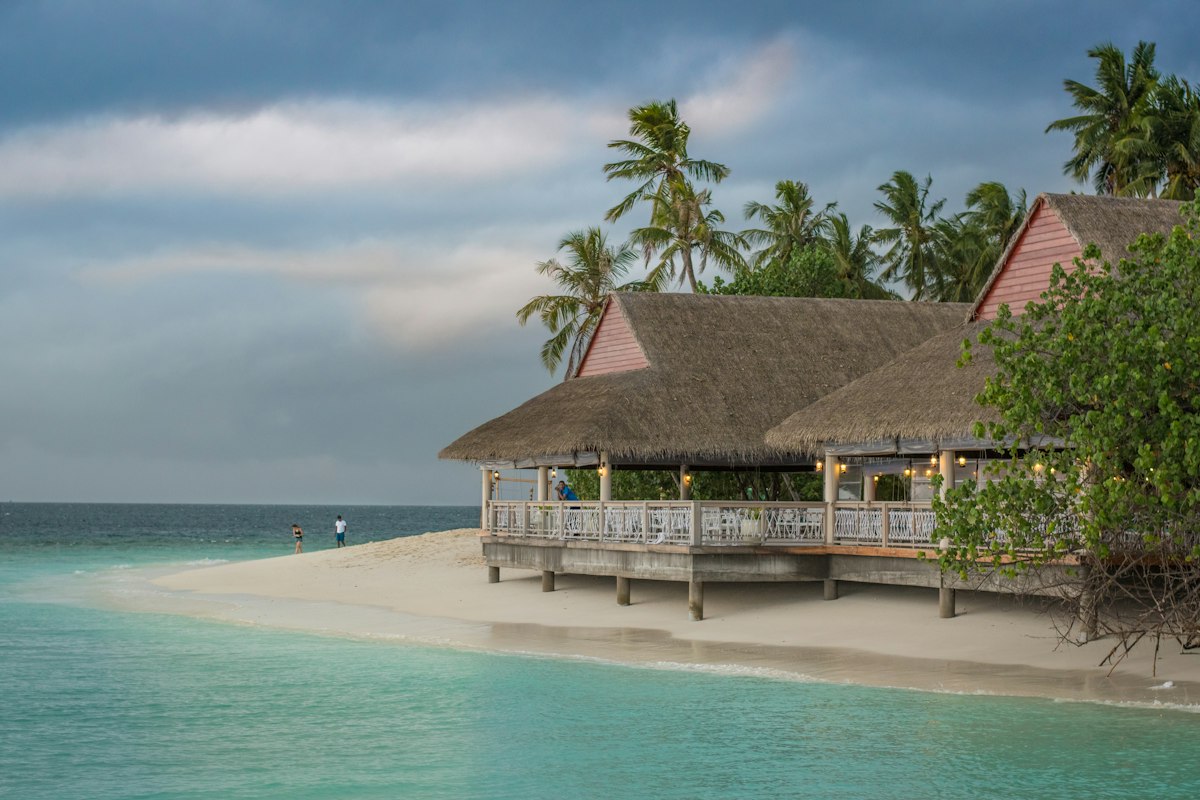
A private pool villa in southern Thailand — the kind of retirement home that's entirely achievable with the right legal structure.
Practical Advice for UK Retirees: 8 Things to Get Right
Hire a Thai lawyer — not the developer's lawyer
Your lawyer should be independent and have no connection to the seller or developer. The Thai Law Society maintains a directory of licensed practitioners.
Get the lease registered at the Land Office
An unregistered lease is just a contract between two people. A registered lease is recorded on the land title deed and binding on future owners of the land. This one step is the difference between security and vulnerability.
Verify the land title type
Thailand has multiple land title types: Chanote (full title) is the gold standard. Nor Sor 3 Gor is acceptable. Anything less is risky. Your lawyer should confirm the title type before you commit.
Transfer money through the Foreign Exchange Transaction Form (FETF)
For condo purchases, you need an FETF from a Thai bank proving funds were remitted from abroad. For lease payments, keep thorough records of international transfers — HMRC may ask.
Budget for ongoing costs
Pool maintenance (£80–£150/month), garden upkeep (£50–£100/month), structural maintenance reserves, and insurance. Read our guide on Thai villa maintenance costs for a full breakdown.
Understand your visa situation first
Property ownership doesn't grant residency in Thailand. You'll need a separate retirement visa (O-A or O-X) requiring proof of income or savings. Sort this before buying.
Visit at least twice — in different seasons
Thailand's monsoon season (June–October) transforms landscapes. That hilltop villa with ocean views might have drainage issues you'd never spot in January. Go back in July.
Plan your exit strategy
What happens if you need to return to the UK for health or family reasons? Can your lease be transferred? Does your company structure allow for sale? Think about the end before you begin.
These aren't theoretical suggestions — they come from real conversations with UK retirees who either followed them and had smooth transitions, or skipped them and learned expensive lessons. For a deeper dive into the buying process, our complete Thailand villa buying guide covers every step from first visit to key handover.
Due Diligence Checklist Before You Sign Anything
A reputable Thai property lawyer will handle most of this for you — expect to pay £1,000–£3,000 for comprehensive due diligence. It sounds like a lot until you consider you're protecting a £150,000+ investment. For context, the UK Government's Thailand living guide recommends always using independent legal advice for property transactions.
Real Stories: What Actually Happened
Margaret & Colin — Hua Hin Leasehold
Retired teachers from Warwickshire. Took a 30-year lease on a 3-bedroom villa with pool in 2023 for £185,000 (lease premium + building). Used an independent Bangkok-based law firm. Total legal and registration fees: £2,800. They now live on their combined UK state pensions plus a small private pension, spending around £1,200/month total. "We've never been happier. The lease gives us complete peace of mind — it's registered on the title deed and our children can inherit the remaining term."
Graham — Phuket Company Structure Gone Wrong
A retired engineer from Hampshire set up a Thai company in 2021 using nominees provided by his developer. The company had no genuine business activity. In 2024, a DSI investigation flagged the arrangement. Graham faced a choice: sell the property within 180 days or face criminal charges. He sold at a 30% loss. "I saved £3,000 by not getting proper legal advice. It ended up costing me £60,000. Don't be me."
These stories aren't unusual. For every Graham, there are twenty Margarets and Colins who did it properly. The difference is almost always the quality of legal advice. If you're exploring Thailand as a retirement destination, our Thailand property hub connects you with vetted specialists who know the system inside out.
Where UK Retirees Are Buying: Location Snapshots
Phuket
Villa prices: £180K–£600K+
Lease market: 30-year leases widely available in established developments
Lifestyle: International, resort-style, excellent healthcare
Koh Samui
Villa prices: £120K–£400K
Lease market: Popular with leasehold buyers; smaller island, tighter community
Lifestyle: Bohemian-luxe, beach-focused, quieter pace
Hua Hin
Villa prices: £100K–£350K
Lease market: Strong leasehold market; popular with long-stay retirees
Lifestyle: Thai-friendly, royal town feel, excellent value
Chiang Mai
Villa prices: £80K–£250K
Lease market: Affordable leaseholds; mountain setting, lower tourist density
Lifestyle: Cultural, cooler climate, digital nomad community
🏡 Not Sure Which Thai Location Suits You?
Our quick quiz matches your lifestyle, budget, and priorities to the right Thai retirement areas — and connects you with specialists who know them best.
What Does It Actually Cost? A Realistic Breakdown
| Cost Item | Leasehold Route | Company Route |
|---|---|---|
| Lease/purchase premium | £100K–£500K+ | £100K–£500K+ |
| Legal fees | £1,000–£3,000 | £3,000–£8,000 |
| Company setup | N/A | £2,000–£5,000 |
| Registration fees | 1% of lease value | 2% transfer fee + 0.5% stamp duty |
| Annual maintenance | £1,500–£4,000 | £3,000–£7,000 (inc. accounting) |
For a detailed monthly cost breakdown of villa life in Thailand on a UK pension, read our cost of living guide for Thai retirement villas. And if you're weighing Thailand against other destinations, our retirement villa cost calculator compares budgets across six countries.
David Harrison
Thailand Property & Legal Specialist
David has spent over 15 years helping UK expats navigate Thai property law, company structures, and villa purchases across Phuket, Koh Samui, and Hua Hin. He works with independent Thai lawyers and provides first-hand insights into the realities of buying property in Thailand.