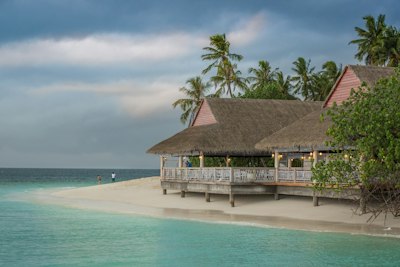
The best visa for retiring in Thailand as a UK citizen is the Non-Immigrant O-A (Long Stay) visa. It grants a one-year stay, is renewable indefinitely, and requires a deposit of 800,000 Thai baht (roughly £17,500) or a monthly income of 65,000 baht (about £1,400). For wealthier retirees who want zero paperwork hassle, the Thailand Privilege (Elite) visa offers 5–20 year memberships starting at 900,000 baht. Both visas let you live in — but not own — Thai land, so villa buyers must use leasehold or company structures.
Why So Many UK Retirees Are Choosing Thailand
Picture this: it's February, drizzle hammers the kitchen window in Basingstoke, and you're Googling "cheap flights Bangkok" for the third time this week. You're not alone. Thailand consistently ranks as one of the top three retirement destinations for British expats, and the numbers make it obvious why.
A couple can live comfortably in Chiang Mai on £1,200–£1,500 a month — that's rent, food, private healthcare, and a social life that doesn't revolve around a Wetherspoons loyalty card. In Hua Hin or Phuket, bump the budget to £1,800–£2,400 for beachside villa living with a pool. Compare that to the average UK retiree spending over £2,000 a month before heating bills hit.
But the visa question trips people up. Thailand doesn't have a simple "retire here" stamp. Instead, you're choosing between several visa types — each with different costs, paperwork loads, and restrictions. Let's break them all down honestly.
Thailand Retirement Visa Options at a Glance
Here's the honest comparison. No visa is perfect — the trick is matching the right one to your budget, patience for bureaucracy, and how long you plan to stay.
| Visa Type | Duration | Financial Requirement | Age Limit | Work Permitted? | Best For |
|---|---|---|---|---|---|
| O-A (Long Stay) | 1 year, renewable | 800,000 THB deposit or 65,000 THB/month income | 50+ | No | Most UK retirees on a state + private pension |
| O-X (10-Year) | 5 years + 5-year renewal | 3 million THB (£65,000) in Thai bank | 50+ | No | Wealthy retirees wanting fewer renewals |
| Thailand Privilege (Elite) | 5, 10 or 20 years | 900,000–2,140,000 THB membership fee | None | No | Under-50s, hassle-averse retirees |
| DTV (Destination Thailand) | 180 days, extendable once | 500,000 THB (£11,000) in savings | None | Remote work only | Semi-retirees, digital nomads, "try before you buy" |
| Tourist Visa (TR) | 60 days + 30-day extension | 20,000 THB equivalent | None | No | Short visits, scouting trips |
The O-A Visa: The Workhorse for Most UK Retirees
If you're over 50 and have a decent UK pension, this is almost certainly your visa. It's the most popular route for a reason — relatively straightforward, affordable, and renewable year after year without leaving the country.
Financial requirements in plain English
Option A: Lump Sum
Deposit 800,000 THB (≈ £17,500) in a Thai bank account. The money must sit there for at least 2 months before your renewal — and remain at least 400,000 THB for the rest of the year.
Tip: Open the account in person during a tourist visit. Bangkok Bank and Kasikorn are expat-friendly.
Option B: Monthly Income
Prove 65,000 THB/month (≈ £1,400) in pension or income. You'll need an income letter from the British Embassy in Bangkok — book early, the queue is biblical.
Tip: You can combine deposit + income to meet the threshold (e.g., 400,000 THB in bank + 40,000 THB/month).
What you actually need to apply
- Valid UK passport with at least 18 months remaining
- Criminal background check from the UK (ACRO certificate) — takes 6–8 weeks
- Medical certificate from a Thai-approved hospital (under £30 at most Bangkok hospitals)
- Thai health insurance with minimum 400,000 THB inpatient and 40,000 THB outpatient cover
- Passport photos (4×6 cm, white background — not the photo booth at Tesco)
- Completed TM.87 application form
The 90-Day Report Nobody Warns You About
Every 90 days, you must report your address to Thai Immigration — either in person, online (when the system works), or via registered post. Miss it and you face a 2,000 THB fine at minimum. Set a phone reminder. Your future self will thank you.
The O-X Visa: For Retirees With Deeper Pockets
Think of this as the O-A's premium cousin. Same age requirement, same "no working" rule, but you get 5 years upfront — then another 5 on renewal. The catch? You need 3 million THB (around £65,000) sitting in a Thai bank account.
After the first year, you're allowed to dip below 3 million — but must keep at least 1.5 million THB on deposit. It's a serious chunk of capital to lock away in Thai baht, which leads us to the elephant in the room: currency risk. If the pound drops 10% against the baht (it has before), your deposit is worth less when you eventually repatriate it.
O-X Pros
- 5-year validity — far fewer immigration trips
- Multiple re-entry included
- Same healthcare as O-A holders
- Straightforward renewal process
O-X Cons
- £65,000 locked in a Thai bank — major currency risk
- Only available to nationals of 14 countries (UK included)
- Still requires 90-day reporting
- Insurance requirements identical to O-A
Thailand Privilege (Elite) Visa: The "Just Make It Easy" Option
Let's be blunt: this is the visa for people who'd rather pay money than deal with paperwork. The Thailand Privilege programme (formerly Thailand Elite) sells long-term residence as a membership — no age requirement, no bank deposit, no annual renewal drama.
| Tier | Duration | Cost (THB) | ≈ GBP | Key Perks |
|---|---|---|---|---|
| Gold | 5 years | 900,000 | ≈ £19,600 | Airport fast-track, 90-day reporting help |
| Platinum | 10 years | 1,500,000 | ≈ £32,600 | + Annual health check, limo transfers |
| Diamond | 15 years | 2,500,000 | ≈ £54,300 | + Golf, spa, and dining credits |
| Reserve | 20 years | 5,000,000 | ≈ £108,700 | Transferable to family, premium everything |
The honest take: At £19,600 for five years, the Gold tier works out to roughly £3,920 a year — or £327 a month. If you value your sanity over immigration queues, that's surprisingly reasonable. But it's not a visa in the traditional sense: it doesn't grant tax residency, it doesn't unlock property ownership rights, and the Thai government can (and has) changed the programme's terms. In 2024, they rebranded, restructured tiers, and briefly paused new applications.
Watch out: Some agents market the Elite visa as a "property investment visa." It isn't. Owning a Privilege membership gives you the right to stay — it does not give you the right to own land or bypass the foreign ownership rules for Thai property.
The DTV Visa: Thailand's Newest Option for Semi-Retirees
Launched in mid-2024, the Destination Thailand Visa (DTV) is aimed at remote workers, freelancers, and — crucially for many British retirees — people who still do a bit of consultancy or part-time work online. It's a 180-day visa, extendable once for another 180 days.
You need 500,000 THB (roughly £11,000) in your bank, and the visa costs 10,000 THB (about £218). It's perfect as a "try before you commit" option — spend six months in Hua Hin or Chiang Mai, figure out whether the lifestyle suits you, then apply for an O-A once you're sure.
Our guide to digital nomad retirement in Thai villas covers this route in much more detail.
How Your Visa Connects to Property Ownership
Here's where most guides get it wrong: your visa doesn't determine whether you can buy property. Thai law separates residence rights from ownership rights entirely. You could hold an Elite visa and still face the same land ownership restrictions as a tourist.
That said, having long-term residence does make the practical side of owning a villa much easier — maintaining the property, managing tenants, dealing with the land office. And immigration officers look more favourably on visa renewals when you own (or lease) a permanent address.
The two legal routes to villa ownership
30-Year Leasehold
The safest, most transparent option. You lease the land for 30 years (renewable up to two more terms, totalling 90 years in theory) and own the building outright. Registration at the Land Department gives you legal protection.
Thai Limited Company
A Thai company (with majority Thai shareholders) can own the freehold. You control the company via preference shares and directorship. It works — but the DSI has been cracking down on "nominee" arrangements where Thai shareholders have no genuine involvement.
For the full picture, read our complete guide to foreign property ownership in Thailand and the step-by-step villa buying guide.
Real Stories: How Three UK Retirees Chose Their Visa
Graham, 63, Phuket — O-A Visa
"I retired from teaching in Kent with a £22,000 pension. The O-A was the obvious choice — I transferred £18,000 into Bangkok Bank, got my ACRO check, and applied at the Thai Embassy in London. The whole process took about 10 weeks. I now lease a three-bed villa in Rawai with a pool for 50,000 baht a month. Total monthly spend? About £1,600. I'd need double that in Folkestone."
Margaret & Neil, 58, Koh Samui — Elite Visa
"We sold our house in Surrey for £620,000 and didn't want the annual renewal headache. We bought the Platinum Elite membership for two — £65,000 total — and haven't visited Immigration once in three years. The airport limo pickup is a lovely touch. We purchased a villa on a 30-year lease in Bophut for £185,000. No regrets."
James, 49, Chiang Mai — DTV Visa
"I'm technically too young for the O-A, and I still do freelance financial consulting for a London firm. The DTV let me live in Chiang Mai for six months legally while working remotely. I'm now on my second extension and saving for an Elite membership once I'm confident this is where I want to be long-term."
Healthcare and Insurance: The Hidden Visa Cost
Since 2021, O-A and O-X visa holders must have Thai health insurance meeting minimum cover levels. This is non-negotiable — no insurance certificate, no visa stamp.
400,000
THB inpatient cover
(≈ £8,700)
40,000
THB outpatient cover
(≈ £870)
£800–£2,500
Annual premium
(age 55–70)
Providers like AXA Thailand, Cigna, and Luma Health offer O-A compliant policies. Compare at least three quotes — premiums vary wildly based on age, pre-existing conditions, and whether you want dental cover.
Elite visa holders aren't technically required to carry insurance, but you'd be mad not to. A single night in Bumrungrad Hospital in Bangkok can cost 50,000+ THB without cover.
Tax Implications UK Retirees Need to Know
Thailand taxes residents on income remitted to the country in the same calendar year it's earned. From January 2024, Thailand also began taxing foreign income brought into the country regardless of when it was earned — a significant change from previous rules.
- UK State Pension is taxable in Thailand if you're a Thai tax resident (180+ days)
- The UK-Thailand Double Taxation Treaty prevents paying tax twice on the same income
- Private pensions may be taxable in both countries — take specialist advice
- Capital gains on Thai property sales are taxed at progressive rates (5–35%)
- UK Inheritance Tax still applies to worldwide assets — including your Thai villa
Our IHT guide for villa owners abroad and Thai cost of living breakdown cover the financial side in depth. For tax structuring, speak to an adviser at Find Expat Wealth.
Which Visa Should You Choose? A Quick Decision Guide
You're 50+, on a UK pension, budget-conscious
→ O-A visa. It's the cheapest long-term option and covers 90% of UK retirees.
You're 50+, have £65,000+ spare, hate paperwork
→ O-X visa. Ten years with just one renewal. Sleep easy.
Any age, value convenience over everything
→ Elite visa. Pay once, skip the queues, enjoy the limo.
Under 50, still working remotely, testing the waters
→ DTV visa. Six months to decide if Thailand is home.
David Harrison
Thailand Visa & Property Specialist
David has helped over 200 UK nationals navigate Thai visa applications and property purchases across Phuket, Koh Samui, Hua Hin, and Chiang Mai. He's based between London and Bangkok and writes from first-hand experience with Thai Immigration.